
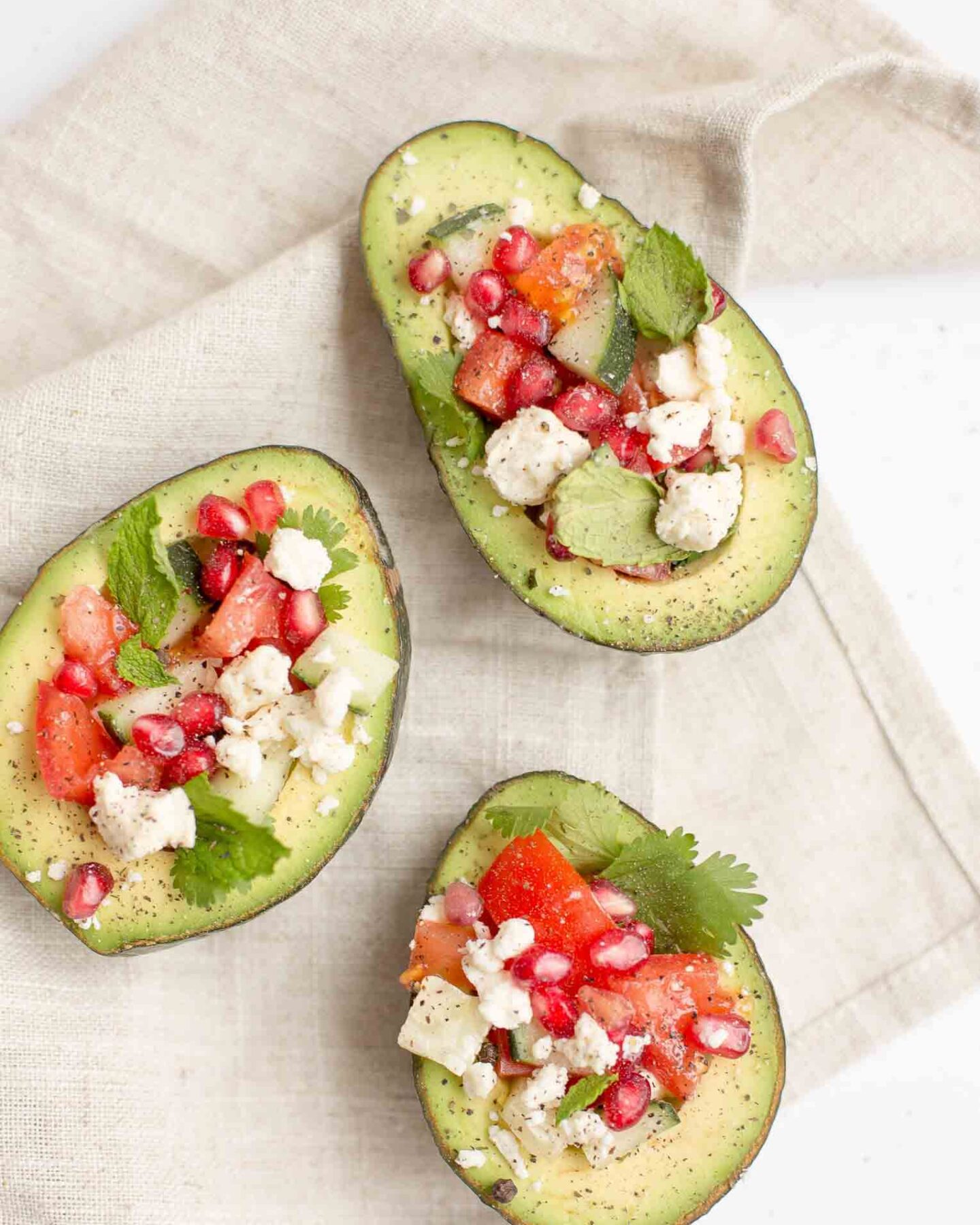
There are a couple things we know about avocados for sure: they have healthy fats and they’re delicious. But the big question remains: is avocado a fruit or a vegetable? While it may seem like avocado should be a vegetable because of the savory dishes it’s used in, we need to settle this once and for. Avocado is actually a fruit! Here’s why.
In This Post
- Why Is Avocado a Fruit?
- What Do Avocados Taste Like?
- Is Avocado Healthy and Nutritious?
- How Can I Tell If An Avocado Is Ripe?
- How Can I Tell If An Avocado Is Bad?
- What Can I Make With Avocados?
- How Should I Store Avocados?
Is Avocado a Vegetable or Fruit?
Like pumpkins and tomatoes (which are also fruits), avocados don’t taste as sweet as other fruits like berries. But taste isn’t what determines whether something is a fruit or a vegetable! So how are fruits and vegetables classified and what makes avocado a fruit, not a vegetable?
Fruits and vegetables both come from plants, so it can be hard to distinguish between them. There are a few specifications used to differentiate if an avocado is a fruit or a vegetable, though. The main indicator to determine whether something is a fruit or vegetable is how it grows. A fruit develops from a plant’s flower and contains seeds. Some foods commonly thought of as vegetables, like peppers, squashes, cucumbers and tomatoes are actually categorized as fruits from a botanical perspective.
RELATED: The ULTIMATE Guide To Spring Fruits
Vegetables come from plant stems, leaves and roots. Vegetables like broccoli and spinach grow from a different part of the plant than fruit does, and they don’t contain seeds. From a nutritional and culinary perspective, avocado is considered a vegetable. In fact, it’s actually listed as a vegetable by the USDA!
The classification of foods considers not just botany, but a food’s nutrient content, use in meals, and taste.
That’s why avocado is classified as a vegetable and why we think of it as such. The vegetable group contains botanical fruits that just aren’t sweet or tart like a typical fruit and usually consumed along with botanical vegetables.
And get this, from the botanical perspective, technically avocado is considered a single-seeded berry. (So does that mean guacamole is actually jelly?) That’s because avocado has a seed surrounded by what’s called the pericarp, which consists of three layers, one of which is a fleshy edible layer, which qualifies it as a fruit. There are two types of fleshy fruits: drupes and berries. Avocados fall into the berry category because they have the fleshy edible layer. Avocados aren’t sweet or tart like berries, though.
So is avocado a fruit or a vegetable? The answer is that it’s technically a fruit, treated as a vegetable!

What Do Avocados Taste Like?
Delicious.
Ok, to go more in depth, avocados have a mild, yet delicious flavor. What seems to stand out the most, though not a flavor, is it’s creamy texture. Avocados can be described as having a nutty, earthy flavor. It’s mild enough to pair well with a variety of foods. Most pairings are on the savory side, though avocado can be a delicious ingredient in sweet recipes like smoothies. The buttery and lightly sweet flavor of avocado makes it a versatile ingredient.
Is Avocado Healthy and Nutritious?
Yes! Avocados are delicious, healthy, AND nutritious. No wonder avocados are labeled a superfood. They’re rich in plenty of nutrients including fiber, potassium, heart-healthy fats, antioxidants, copper, folate, niacin, and vitamins B6, C, E and K. They also provide lutein, magnesium, riboflavin, beta carotene (opens in a new tab), and omega-3 (opens in a new tab) fatty acids.
Avocados are packed with amazing nutrients that can help keep you healthy! In fact, studies show that since avocados contain such a variety of healthy nutrients, eating avocados regularly can actually help keep you healthy in many ways, including:
- Maintaining healthy cholesterol levels for a healthy heart
- Reduce the risk of age-related macular degeneration
- May help prevent osteoporosis
- Can help prevent cancer
- Can support fetal health
- Reduce risk of depression
- Improve digestion
- Natural detoxification
- Lower blood pressure
How Can I Tell If An Avocado Is Ripe?
Did you know avocados don’t start to ripen until picked from the tree? Once picked, they ripen fairly quickly. It typically takes between four and seven days for an avocado to reach that perfectly ripe phase!
There’s something so satisfying about a perfectly ripe avocado. Maybe it’s the color, texture, taste, smell, or all of it. So how can you tell when an avocado is perfectly ripe? By using almost all of the senses you use to enjoy a ripe avocado, you can determine the exact right time to devour one.
- Color — perfectly ripe avocados will have a dark green color on the outside, instead of the bright green color of unripe ones, and a rich green color on the inside.
- Texture — ripe avocados will yield to firm gentle pressure but not be too mushy or too hard.
- Taste — ripe avocados have a creamy texture and earthy, nutty flavor.
Tasty tip: If your avocados aren’t ripe yet and you want to speed up the ripening, place them in a brown paper bag with a banana or apple and keep at room temperature until ripe!
RELATED: 6 Ways To Keep Produce Fresh
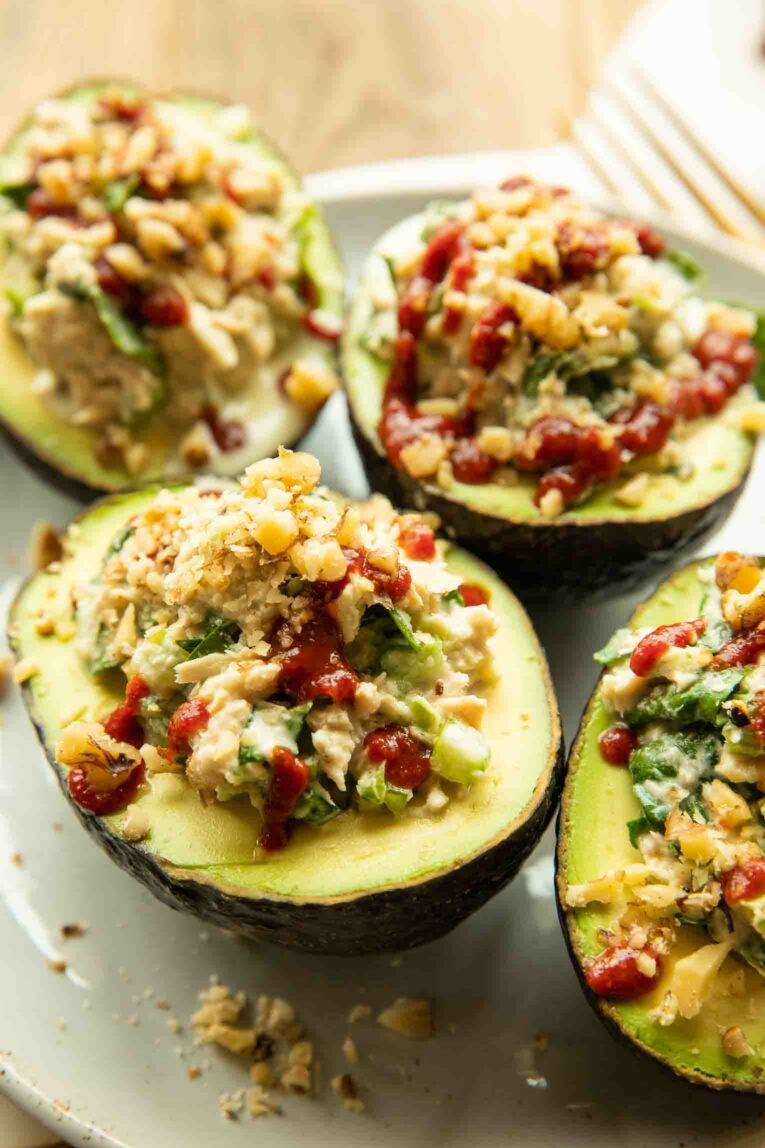
How Can I Tell If An Avocado Is Bad?
Avocados ripen pretty quickly once picked from the tree. Since the perfectly ripe window is narrow, it’s important to know how to tell if an avocado is bad. If you notice any of these signs, that means your avocado is spoiled.
- Color — avocados that have gone bad will have a blackened appearance on the outside and dark spots on the inside
- Texture — spoiled avocados will be soft and mushy to the touch and sometimes have indentations
- Taste — spoiled avocados will have an off taste that can sometimes be sour
Tasty tip: Have more ripe avocados than you can eat? Freeze them! Cut the avocado into cubes and store in an airtight container. When you’re ready to use the frozen avocado, thaw in the refrigerator. Frozen avocado is best suited for salad dressings or smoothies, since the freezing/thawing process changes the texture, but it’s not noticeable in these dishes. Check the recipes below for some ideas.
What Can I Make With Avocados?
So many things! Avocado is a versatile fruit (vegetable) and can go well with anything. In savory dishes it pairs well with eggs, meats, pastas and more. In sweet recipes the creamy texture works great for smoothies and other frozen favorites. And of course you can always just eat an avocado plain. A perfectly ripe avocado is always a good idea! Here are some of the best avocado recipes:
- Creamy avocado lime dressing
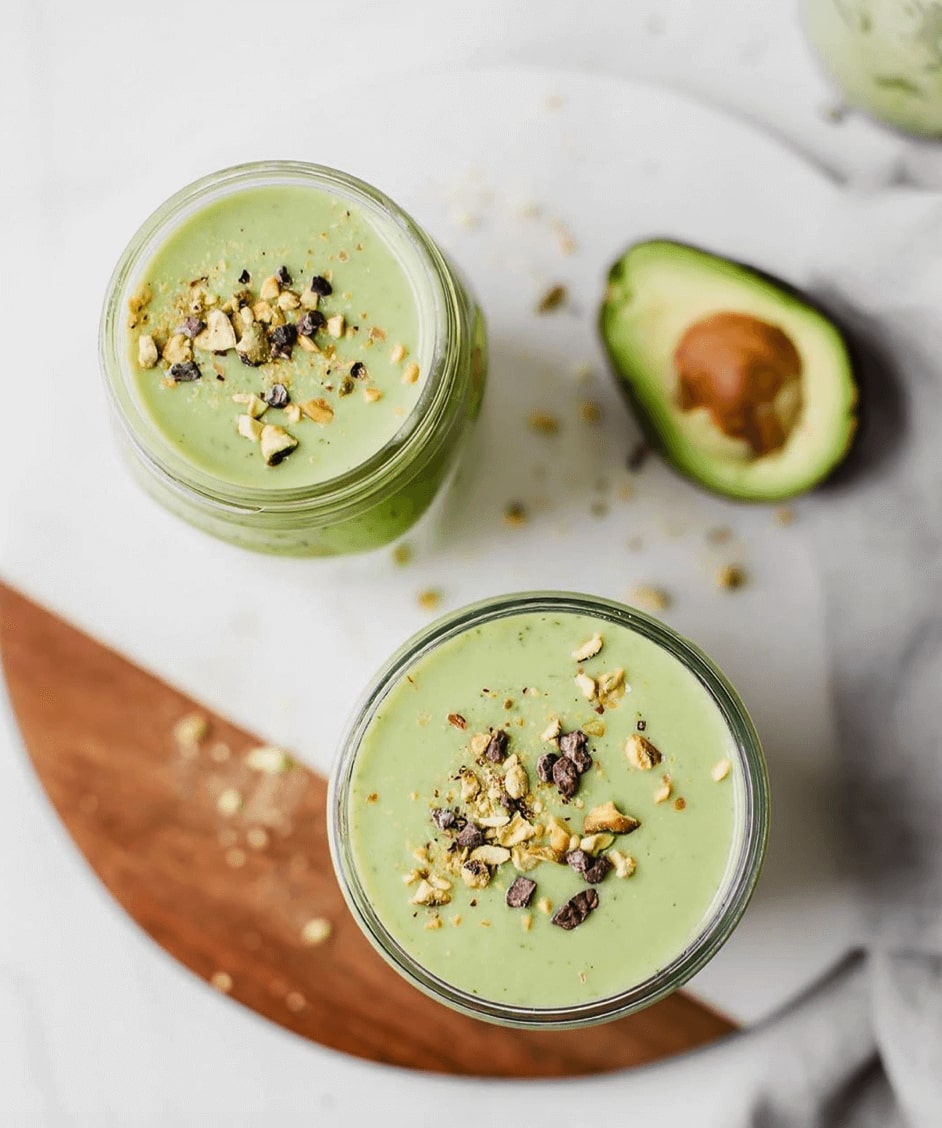
- The ultimate green avocado smoothie
- The BEST easy avocado toast
- 10-minute avocado pasta sauce
- Spicy salmon tacos with avocado lime dressing
- Healthy avocado egg salad
- Poached egg and avocado breakfast salad
How Should I Store Avocados?
Whether you made a batch of guacamole or just need to keep half an avocado fresh, having the right storage containers matters. Here are some avocado storing containers that I love.
Guacamole Keeper (opens in a new tab) — store leftover guacamole in this airtight container
Avocado Saver (opens in a new tab) — keep your avocado halves in here for later
Avocado Slicer (opens in a new tab) — perfect slices every time
Perfect Storage Bags (opens in a new tab) — works great for the refrigerator or freezer
So now that you know all about avocados, which delicious avocado recipe will you make next? I’d love to hear your thoughts if you try any of the recipes above!




Looks Good!!!